OpenZhenZhen AI 提示词画廊 · gpt-image-2.5 · image
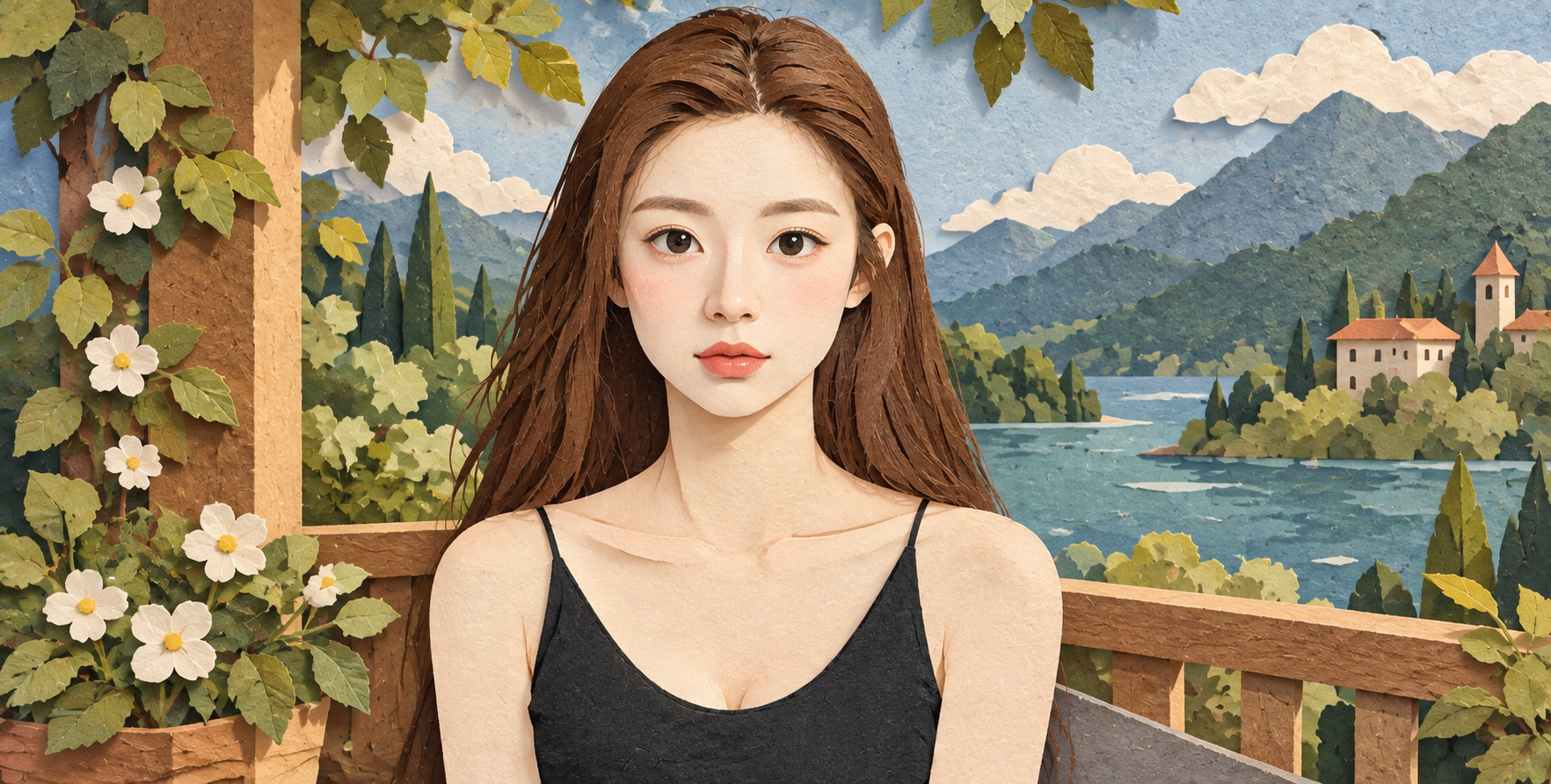
手工层叠纸艺绘本场景转换
Handcrafted Layered Paper Art Picture Book Scene Transition
Transform the uploaded photograph into a tactile layered-paper storybook diorama while preserving its subjects, action, framing, and recognizable setting.
提示词 / Prompt
中文提示词
仅以这张上传的照片作为内容来源,将其转换成一幅完整的手工层叠纸艺绘本场景。只输出转换后的图像;不要加入原照片、前后对比、分屏、拼贴、说明文字、边框或样机。保留原图的宽高比和大致取景。 准确保留主要主体的身份特征、年龄类别、性别呈现、肤色、发型、胡须、眼镜、表情、视线方向、姿势、身体朝向、服装类别与颜色、配饰,以及与重要物体的互动。保持主要人物的准确数量和彼此空间关系。保留理解动作所必需的物体。不要添加、删除、复制或替换重要主体、肢体、工具、服装或道具。对清晰可见的人物使用已配置的身份参考;如有成年人,须保持成年人的外观。 将每个人物重新设计为迷人的当代剪纸绘本角色:头部略微放大,面部结构柔和简化,比例紧凑,深色眼睛富有表现力,眉毛干净,鼻子和嘴巴小巧,带淡淡红润脸颊,表情温暖自然并符合原图。保留可辨识的面部结构、发型轮廓、胡须、眼镜和服装。成年人仍须显得成年;避免婴儿比例、极端Q版解剖、过大的闪亮眼睛,或千篇一律的娃娃脸。 将整幅图构建为有立体感的手工纸艺微缩布景,使用层叠剪裁卡纸、带纤维纹理的手工纸、轻微压纹纸,以及少量柔软的毡感纸面。人物、物体、植物、建筑和景观都必须明显由相互叠放的剪纸片构成。呈现纸张肌理、略不规则的手剪边缘、折叠平面、堆叠层次、浅浮雕、清晰轮廓,以及层片之间柔和的接触阴影。避免写实材质、塑料玩具、光亮的3D渲染、平滑矢量形状、水彩、刺绣和无关手工材料。 保留原场景的可辨识结构,例如房间、阳台、厨房、花园、门口、桌子或风景,但将其简化为宽阔的纸张形状。移除偶然杂乱、无法辨认的标签、重复物体和分散注意力的背景细节。只围绕核心叙事扩展想象环境。 清晰区分前景、中景和背景。把小型纸艺元素放在不同深度,营造剧场式微缩布景:前景植物或道具,中景主体与动作,后方则是简化的建筑、小山、树木、云朵或远景。使用形状叠加而非写实透视细节。构图保持平衡易读,主要动作作为最清晰的焦点。 使用从原照片提取的温暖、柔和、自然色调:鼠尾草绿、橄榄绿、芥末黄、陶土色、灰蓝色、奶油色、暖褐色、木炭色和克制的粉彩。保留有辨识度的服装及物体颜色。采用带细微纸纤维变化的宽阔哑光色块;避免霓虹色和摄影渐变。以接近原光源方向的温暖漫射日光照亮场景,让升起的纸层下方形成柔和阴影,营造舒适的手工氛围。 把植物、树木、云朵、山脉、波浪、家具、织物和小型装饰物表现为简化剪纸形态,并保留足够细节以便辨认。只有在符合原故事时,才使用重复叶片、扇形云朵、棱角折叠山脉、层叠波浪、微型建筑和小道具。保持双手完整且连接自然。准确保留遮挡和接触关系,使工具、容器、服装和环境元素在物理关系上清楚可信。 成品应像高级儿童绘本插画、定格纸艺剧场与具有收藏价值的立体纸艺作品:富有想象力但扎根于上传的瞬间,触感鲜明、温暖、精致、情感柔和,并包含细腻叙事细节。避免写实主义、动漫渲染、塑料3D角色、平滑矢量艺术、水彩、毛线刺绣、变形的手、重复肢体、改变动作、遗漏道具、无关幻想物、过度杂乱、文字、标志、签名和水印。只输出完成的纸艺立体场景。
English prompt
Use the single uploaded photograph as the sole content source. Transform it into one finished handcrafted layered-paper storybook scene. Output only the transformed image; do not include the original photograph, a before-and-after comparison, split layout, collage, caption, explanation, border, or mockup. Preserve the source image's aspect ratio and general framing. Faithfully preserve the main subject's identity cues, age category, gender presentation, skin tone, hairstyle, facial hair, glasses, expression, gaze direction, pose, body orientation, clothing categories, garment colors, accessories, and interaction with important objects. Keep the exact number of principal people and their spatial relationships. Retain objects needed to understand the action. Do not add, remove, duplicate, or replace important subjects, limbs, tools, garments, or props. Use the configured identity reference for any clearly visible person and preserve adult appearance where applicable. Redesign each person as a charming contemporary paper-cut storybook character with a slightly enlarged head, softly simplified facial anatomy, compact proportions, expressive dark eyes, clean eyebrows, a small nose and mouth, subtle rosy cheeks, and a warm natural expression matching the source. Preserve distinguishing facial structure, hair silhouette, facial hair, eyewear, and clothing so each person remains recognizable. Adults must retain an adult appearance; avoid infant proportions, extreme chibi anatomy, oversized sparkling eyes, or generic identical doll faces. Construct the entire image as a dimensional handmade paper diorama using layered cut cardstock, fibrous handmade paper, lightly embossed paper, and occasional soft felt-like paper surfaces. Every person, object, plant, architectural element, and landscape feature must visibly consist of overlapping cut-paper pieces. Show tactile paper grain, slightly irregular hand-cut edges, folded planes, stacked layers, shallow relief, clean silhouettes, and soft contact shadows between layers. Avoid photorealistic materials, plastic toys, glossy 3D rendering, smooth vector shapes, watercolor, embroidery, and unrelated craft materials. Retain the source scene's recognizable structure—such as a room, balcony, kitchen, garden, doorway, table, or landscape—but simplify it into broad paper shapes. Remove incidental clutter, unreadable labels, duplicate objects, and distracting background details. Expand only the core narrative into an imaginative setting. Create clear foreground, middle-ground, and background separation. Place small paper elements at different depths for a theatrical miniature-set effect: foreground plants or props, the main subject and action in the middle ground, and simplified architecture, hills, trees, clouds, or distant scenery behind them. Use overlapping shapes rather than realistic perspective detail. Keep the composition balanced and legible, with the main action as the clearest focal point. Use a warm, soft, nature-inspired palette drawn from the original photograph: sage and olive greens, mustard yellow, terracotta, gray-blue, cream, warm brown, charcoal, and restrained pastels. Preserve distinctive clothing and object colors. Use broad matte color areas with subtle variation from paper fibers; avoid neon colors and photographic gradients. Light the scene with warm diffused daylight from approximately the source light direction, creating soft shadows beneath raised paper layers and a cozy handmade atmosphere. Render plants, trees, clouds, mountains, waves, furniture, textiles, and small decorations as simplified cut-paper forms with enough detail to remain recognizable. Use repeated leaf shapes, scalloped clouds, angular folded mountains, layered waves, miniature architecture, and tiny props only when relevant to the source story. Keep hands intact and naturally connected. Preserve occlusion and contact so tools, containers, clothing, and environmental elements remain physically understandable. The finished image should feel like a premium children's picture-book illustration, a stop-motion paper theater, and a collectible dimensional paper artwork: imaginative yet grounded in the uploaded moment, tactile, warm, refined, emotionally gentle, and rich in small narrative details. Avoid photorealism, anime rendering, plastic 3D characters, smooth vector art, watercolor, yarn embroidery, deformed hands, duplicated limbs, changed actions, missing props, unrelated fantasy objects, excessive clutter, text, logos, signatures, and watermarks. Output only the completed transformed paper diorama.
探索更多图片和视频提示词 · 生成图片 · 生成视频 · 在 AI 画布中创作
相关作品
- 银发女信使
以参考图的侧脸构图、逆光方向和深蓝背景为参考,呈现一位原创奇幻女信使的真人摄影肖像。整体干净、清透、精致,具有高端人像写真的自然质感。 人物约25岁,清冷安静,面容柔和而坚毅。浅暖肤色均匀透亮,保留轻微、细腻的真实皮肤纹理,妆容清淡,眼下与鼻翼肤色干净。琥珀色眼睛清澈明亮,睫毛自然,嘴唇呈柔和的裸玫瑰色。 银灰色及肩发,发梢带极淡的烟紫色,发质柔顺、有轻盈光泽。偏分刘海整齐分束,后侧细辫收束成低半扎发。微风从左向右吹起少量脸侧发束,形成舒展、流畅的弧线;额头、眼睛和脸颊保持清晰,头顶轮廓整洁,只有少量自然碎发。 墨绿色旅行外套采用细密平整的精纺面料,剪裁利落,非对称翻领搭配细窄黄铜色包边
- 创越大唐之皇子爱上宫女
**画幅:16:9 横屏。** 真实唐代历史电影剧照,一场宫门前即将失控的对峙。宏大的唐式宫城前庭,厚重朱漆宫门、宽阔台基、灰瓦门楼与两侧长廊构成深远空间。建筑具有可信的木构比例与材料质感,石铺广场开阔,陈设疏朗,历史气息厚重。 画面下方偏左,一位约25岁的成年女主站在台阶前,容貌明艳,体态丰腴匀称,胸部丰满,身穿石榴红织锦抹胸与浅赭金色高腰长裙,米白披帛自然垂在臂间,高髻佩戴简洁金簪。她右手攥紧一封封缄文书,左手抓住男主的衣袖,肩颈微微绷紧,警惕地望向拦路的将领,眉头轻蹙,嘴唇紧闭,神情中有惊惧,也有不肯退让的坚定。 约30岁的男主穿深青色圆领袍、束革带,侧身挡在女主前方半步,保持女主
- 夜兰花舞女
真人古装电影夜景剧照,一位约25岁的成年唐代美女在临水亭榭中轻盈起舞,脸庞丰润,身材丰满匀称,神情温柔。身穿月白色绣花抹胸与灰蓝色丝绸长裙,浅色披帛从臂弯延伸,发髻佩戴珍珠簪饰。她侧身抬臂,脚尖轻点地面,目光追随指尖,裙摆自然转动。背景可见深色水面、荷叶与木质栏杆,近处灯笼照亮脸庞和上身,柔弱的冷色夜光勾勒发丝与肩部轮廓。采用真实夜景电影色调,蓝灰环境色与少量暖黄灯光相互呼应,肤色保持自然,夜色深沉,黑位有层次,金属与水面反光不过曝。全身横向构图,水面倒影轻微破碎,保留低照度摄影的细腻颗粒,皮肤与布料质感真实。
- 牡丹春庭
真人古装电影剧照,一位约25岁的成年盛唐美女在牡丹庭院中翩翩起舞,面容明媚,胸部丰满,体态丰腴柔美,腰腹曲线自然。身穿藕粉色刺绣抹胸、浅绯色长裙与米杏色披帛,云鬓间簪一朵牡丹。她轻盈转身,抬手展腕,笑容松弛自然,披帛与裙摆沿着动作方向扬起。庭院里可见真实的花枝、青石小径、木窗与斑驳墙面,柔和春日天光照亮人物,树叶投下疏淡阴影。真实电影色彩,粉色柔和,叶片呈自然灰绿色,肤色通透但保留细微色差,白色与浅色衣料保留纹理,高光不过亮,整体对比适中,带细微胶片颗粒。平视全身构图,环境有清晰空间层次,无浓重滤镜、无人工光晕、无蜡像肤质。
- 大唐舞女-1
真人古装电影剧照,一位约25岁的成年唐代美女在宫殿中翩翩起舞,五官明艳,体态丰腴,胸部丰满,肩颈圆润,身体比例自然。身穿暗朱红色金线刺绣抹胸与柔软的香槟金长裙,披帛绕过双臂,高髻佩戴精巧金步摇。她旋身回眸,双臂舒展,裙摆随动作展开,衣料呈现真实重量、褶皱和垂坠感。背景是木质宫柱、屏风与石砖地面,侧面宫窗透入柔和日光,殿内保留自然阴影。真实电影调色,暗红沉稳,金色克制,肤色自然偏暖,高光柔和过渡,暗部保留木纹与衣料细节,带轻微胶片颗粒。平视全身构图,人物完整入镜,面部清晰,飞扬的披帛边缘带少量运动模糊,保留皮肤毛孔与细小绒毛,无磨皮、无CG感。
- 清水寺极简手绘旅行海报
日式建筑速写风格的方形旅行海报。准确中文默认值:清水寺、京都、日本;英文默认值:KIYOMIZU-DERA TEMPLE、Kyoto、JAPAN。画面仅有一位绑定固定参考 ref-10a-v1 的远景游客。